


Company Profile
Huixian Hongshun Graphite Co., Ltd. focuses on graphite design and processing. The company has more than ten years of experience in graphite processing. The company has a series of completed production systems for design and processing.
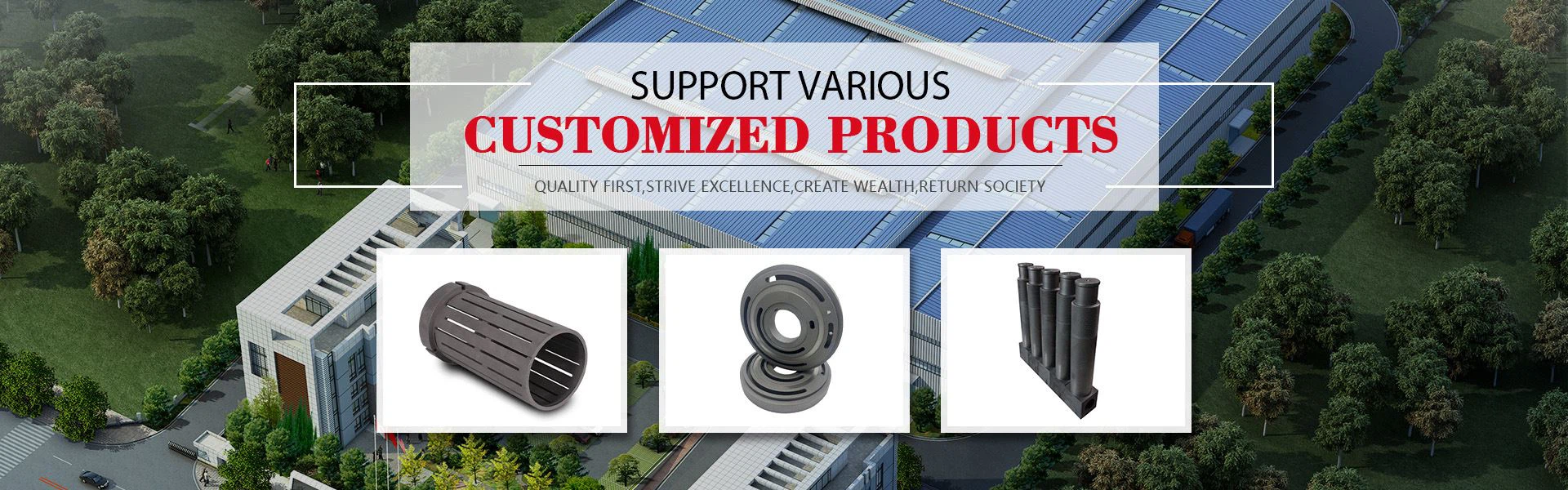
The company is located in Huixian City, Xinxiang, Henan Province, China. It mainly produces customized graphite products including graphite crucibles, graphite rods, graphite plates, graphite blocks, graphite electrodes, graphite rotors, graphite parts and graphite products of various sizes.and supports sales to various countries.
Support customization, graphite rods, graphite crucibles, graphite blocks, graphite plates, graphite sheets, graphite parts, graphite rotors, graphite boats, graphite tanks, graphite powder, graphite chips, etc.
Why choose us?
Professional team
The company has 5 to 8 R&D personnel and more than 50 production personnel. It is a strong and technologically advanced production team.
Advanced equipment
The company has a complete production chain from design to production. We have more than 20 CNC lathes and milling machines. , drilling machines, ordinary lathes, and more than ten CNC engraving machines.
Rich experience
Huixian Hongshun Graphite Co., Ltd. focuses on graphite design and processing. The company has more than ten years of experience in graphite processing. The company has a series of completed production systems for design and processing.
Quality control
Each customer's product undergoes strict production inspection to ensure that the quality of the products produced reaches the customer's standards. Required standards and have 7*24 hours after-sales service.


What is High Purity Graphite Crucible
A high-purity graphite crucible is a specialized container used for melting metals, such as gold and silver, and other materials in industrial, analytical and jewelry applications. It is made from 99.9 percent pure graphite that offers superior conductivity and thermal expansion properties compared to traditional ceramic or clay crucibles. The smooth interior surface of the crucible also helps minimize sticking when casting metal alloys.
Benefits of High Purity Graphite Crucible
Enhanced corrosion resistance and chemical inertness
Graphite crucibles are highly resistant to corrosion. This is crucial when handling metals and alloys at high temperatures. Their chemical inertness means they do not react with the substances being melted, preventing contamination and ensuring the purity of the final product. This is particularly important in industries like jewelry making and metal alloy production, where even minor impurities can significantly affect the quality of the end product.
Improved strength and stability at high temperatures
High-purity graphite crucibles maintain their structural integrity at extreme temperatures, often up to 5000°F. This high-temperature stability is critical in applications where prolonged exposure to heat is necessary. Unlike some other materials, graphite does not require additional linings for protection against elements like sulfur, which can degrade other materials over time.
Extended service life
Due to their high purity and resistance to oxidation, graphite crucibles have a longer service life compared to other types of crucibles. This longevity reduces the need for frequent replacements, making graphite crucibles a cost-effective choice in the long run.
Thermal shock resistance
Graphite crucibles are known for their excellent thermal shock resistance. This property allows them to withstand rapid temperature changes without cracking or breaking, which is common in processes that involve sudden cooling or heating.
Ease of precise machining and customization
Graphite crucibles can be precisely machined and are available in various sizes and shapes. They can also be custom-made to meet specific manufacturing requirements, although this might come at a higher cost. This flexibility in design and size makes them suitable for a wide range of applications.
Low specific resistance
The low specific resistance of graphite allows for better heat distribution within the crucible, ensuring that the material being melted is heated evenly. This is crucial for maintaining the quality and consistency of the melted material.
Superior performance in high-temperature applications
In summary, graphite crucibles are superior in terms of their ability to handle high temperatures without degradation, their resistance to chemical reactions, and their overall durability. These factors make them a preferred choice in industries that require high-temperature melting processes, ensuring the production of high-quality, pure materials.
What Metals Can be Melted in High Purity Graphite Crucibles
Copper
Copper-based alloys melted in fuel-fired furnaces are typically processed using silicon carbide graphite crucibles, chosen for their resistance to thermal shock.
Aluminum
Crucibles used for processing aluminum and its alloys are typically made from carbon or ceramic-bonded clay graphite and silicon carbide. This is because aluminum melts at temperatures ranging from 400°C (750°F) to 1600°C (2912°F).
Gold
Graphite crucibles designed for melting gold are crafted from high-quality graphite to ensure excellent thermal shock resistance, stability, oxidation resistance, and mechanical strength. They are engineered to endure temperatures exceeding 2000°C (3632°F).
Silver
Graphite crucibles used for melting silver share similar characteristics with those for gold and can endure temperatures above 2000°C (3632°F). These crucibles are constructed from natural graphite, maintaining their chemical and physical integrity. They exhibit minimal thermal expansion and offer resistance to rapid temperature changes, making them suitable for high-temperature applications.
Brass
Brass has a low melting point and must be heated rapidly before the component metals oxidize. For working with brass, a graphite crucible is ideal due to its durability and ability to heat up quickly.
Application of High Purity Graphite Crucible

Metallurgy
In the metallurgical industry, graphite crucibles are commonly employed for melting and casting metals such as gold, silver, copper, and iron. The crucibles maintain a high level of thermal stability, allowing efficient metal processing and alloy production.

Jewelry making
Artisans and jewelers use graphite crucibles to melt precious metals and create intricate jewelry designs. The excellent heat conductivity and resistance to chemical reactions make graphite crucibles an indispensable tool in jewelry casting.

Chemical laboratories
Yida Graphite crucibles are also utilized in chemical laboratories for conducting experiments and synthesizing compounds at high temperatures. These crucibles provide a controlled environment for reactions and ensure the purity of the substances being processed.

Glass and ceramics manufacturing
The glass and ceramics industries rely on graphite crucibles for the production of glass melts and ceramic materials. Graphite's non-reactive nature prevents contamination and allows for the creation of high-quality products.
High Purity graphite crucibles and Clay graphite crucibles are both widely used in many industries today, from melting gold to other metallic alloys. While they serve the same purpose, there are some key differences between them that should be taken into consideration when choosing which one is right for you.
The first difference between High Purity graphite crucibles and Clay graphite crucibles is their raw material composition. High purity graphite crucibles are made of 99% pure carbon while clay-graphite cruicbles have a mixture of 30-50% clay and 50-70% carbon powder. This makes high purity much more heat resistant than its clay-graphite counterpart, making it ideal for applications where extreme temperatures must be reached or maintained.
Another difference between these two types of materials lies in the appearance; high purity appears glossy black whereas clay-graphites appear matte grey due to its higher porosity levels compared to pure carbon varieties. Additionally, high purity can be machined down to finer tolerances with greater detail than clay-graphites because of its superior properties related to thermal conductivity and electrical resistivity . As such, customers seeking precision parts will likely opt for the former over the latter.
Process of High Purity Graphite Crucible
Raw material selection
High-purity natural or synthetic graphite powder is selected as the primary raw material. The purity of the graphite significantly impacts the crucible's performance.
Mixing and binding
The graphite powder is mixed with a binder, typically a resin or pitch, to enhance its mechanical properties and facilitate shaping.
Forming
The mixture is then formed into crucibles using methods such as isostatic pressing or extrusion. This step requires precise control to ensure uniform density and structural integrity.
Baking
The formed crucibles are baked at high temperatures in a non-oxidizing atmosphere to carbonize the binder and enhance the strength and thermal properties of the graphite.
Graphitization
In this step, the crucibles undergo a high-temperature treatment (usually above 2500℃) to convert the carbonized binder into graphite, further improving the crucible's thermal and mechanical properties.
Machining and finishing
After graphitization, the crucibles are machined and polished to achieve the desired dimensions and surface finish.
How to Maintain High Purity Graphite Crucible
Avoid physical damage: Handle the crucible with care to prevent chips, cracks, or other physical damage. Use appropriate lifting tools and supports.
Cleanliness: Keep the crucible clean and free of dust, grease, and other contaminants. Store it in a clean, dry environment.
Gradual heating and cooling: Avoid rapid temperature changes to prevent thermal shock. Gradually heat and cool the crucible to reduce the risk of cracking.
Operating temperature: Do not exceed the recommended operating temperature of the crucible. Overheating can degrade the crucible and affect its performance.
Avoid reactive materials: Ensure the materials processed in the crucible are compatible with graphite. Avoid using the crucible with materials that can react with graphite, such as strong oxidizers and certain metals.
Protective coatings: If necessary, apply protective coatings to the crucible's interior to prevent reactions with the processed materials.
Inert atmosphere: When processing materials that react with oxygen at high temperatures, use an inert gas (such as argon or nitrogen) to protect the crucible and the materials.
Vacuum conditions: Ensure the crucible is suitable for use in vacuum conditions if required by the process.
Regular cleaning: Regularly clean the crucible to remove any residues. Use appropriate cleaning methods that do not damage the graphite.
Inspection for damage: Periodically inspect the crucible for signs of wear, cracks, or other damage. Replace the crucible if any significant damage is detected.
Proper support: Ensure the crucible is properly supported in the furnace to prevent stress and uneven heating.
Avoid overfilling: Do not overfill the crucible, as this can cause spillage and uneven heating.
Protective gear: Wear appropriate protective gear, including gloves and eye protection, when handling the crucible and during high-temperature operations.
Ventilation: Ensure adequate ventilation in the workspace to avoid the accumulation of any harmful fumes generated during high-temperature processes.
How to Choose the Right High Purity Graphite Crucible
Purity level
Verify the purity level of the graphite material used in the crucible, especially for special uses like in electronics. Check the specifications provided by the manufacturer for details on purity.
Size and capacity
Consider the size and capacity requirements for your application. Graphite crucibles are available in various shapes and sizes, and choosing the right dimensions is essential for optimizing performance and efficiency in your processes.
Material compatibility
Ensure the crucible material is compatible with the substances it will come into contact with during processing.
Application requirements
Understand the specific requirements of your application. Ensure that the chosen graphite crucible aligns with the intended use.
Customization solutions
Check if the supplier offers customization options for customization crucibles. Depending on your application, you may require specific features or modifications in terms of shape, size, or other characteristics. Customization can ensure that the crucible meets your exact needs.
Delivery and lead times
Check the delivery times and lead times of graphite crucibles, especially if you have time-sensitive projects. Ensure that the supplier can meet your required timelines and has a reliable shipping process.

Our Factory
The company has 5 to 8 R&D personnel and more than 50 production personnel. It is a strong and technologically advanced production team. The company has a complete production chain from design to production. We have more than 20 CNC lathes and milling machines. , drilling machines, ordinary lathes, and more than ten CNC engraving machines.


FAQ
Hot Tags: high purity graphite crucible, China high purity graphite crucible manufacturers, suppliers, heat resistant graphite crucible, graphite crucible trend, graphite crucible for vacuum furnace, graphite crucible for silver melting, corrosion resistant graphite crucible, graphite crucible reputation