

As a supplier of graphite blocks, I often encounter inquiries from customers about the recyclability of these products. Graphite blocks are widely used in various industries due to their excellent properties such as high thermal conductivity, chemical stability, and electrical conductivity. However, with the increasing emphasis on environmental protection and sustainable development, the question of whether graphite blocks can be recycled has become a topic of great concern. In this blog post, I will delve into this issue and provide some insights based on my experience and knowledge in the field.

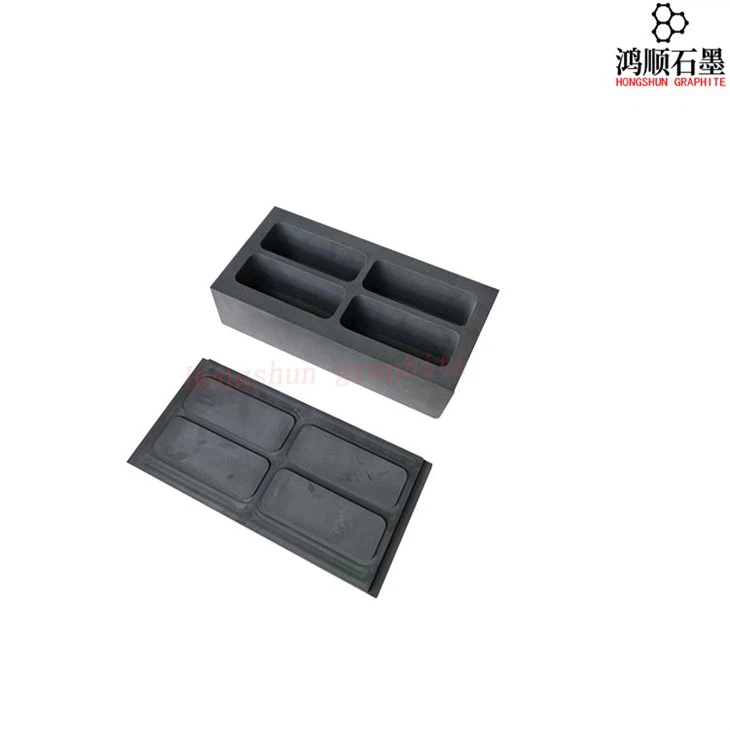
Understanding Graphite Blocks
Before discussing the recyclability of graphite blocks, it is essential to understand what they are and how they are used. Graphite blocks are made from graphite, a naturally occurring form of carbon. They come in different types, including Isostatic Graphite Block, High Purity Graphite Block, and High Temperature Resistant Graphite Block, each with its own unique characteristics and applications.
Isostatic graphite blocks are produced using an isostatic pressing process, which results in a uniform and fine-grained structure. They are commonly used in applications such as semiconductor manufacturing, electrical discharge machining (EDM), and high-temperature furnaces. High purity graphite blocks, as the name suggests, have a high degree of purity, making them suitable for applications where contamination is a concern, such as in the production of solar cells and lithium-ion batteries. High temperature resistant graphite blocks can withstand extreme temperatures without significant degradation, making them ideal for use in high-temperature environments such as foundries and metal smelting operations.
The Case for Recycling Graphite Blocks
There are several compelling reasons to recycle graphite blocks. Firstly, recycling helps to conserve natural resources. Graphite is a non-renewable resource, and extracting it from the earth requires significant energy and resources. By recycling graphite blocks, we can reduce the demand for virgin graphite and extend the lifespan of this valuable material.
Secondly, recycling graphite blocks can reduce waste and environmental pollution. When graphite blocks reach the end of their useful life, they are often discarded as waste. However, these blocks can contain various contaminants and impurities, which can pose a risk to the environment if not properly disposed of. Recycling graphite blocks can help to prevent these contaminants from entering the environment and reduce the overall environmental impact of graphite production and use.
Thirdly, recycling graphite blocks can be economically beneficial. The cost of producing new graphite blocks can be high, especially for high-purity and specialty grades. By recycling graphite blocks, we can recover valuable materials and reuse them in the production of new products, which can help to reduce production costs and improve the profitability of graphite-related industries.
The Recycling Process
The recycling process for graphite blocks typically involves several steps. The first step is to collect and sort the used graphite blocks. This can be done by the supplier or through a specialized recycling facility. The blocks are then cleaned to remove any contaminants and impurities. This may involve processes such as washing, grinding, and sieving.
Once the blocks are clean, they are typically crushed and milled into a fine powder. This powder can then be further processed to remove any remaining impurities and to adjust the particle size and shape. The resulting graphite powder can be used as a raw material in the production of new graphite blocks or other graphite-based products.
In some cases, the recycling process may also involve additional steps such as chemical treatment or heat treatment to improve the quality and properties of the recycled graphite. For example, chemical treatment can be used to remove specific contaminants or to modify the surface properties of the graphite particles. Heat treatment can be used to improve the crystallinity and purity of the graphite.
Challenges and Limitations
While the recycling of graphite blocks offers many benefits, there are also several challenges and limitations that need to be addressed. One of the main challenges is the variability in the quality and composition of used graphite blocks. Different applications may require different grades and types of graphite, and the used blocks may be contaminated with various substances. This can make it difficult to recycle the blocks efficiently and cost-effectively.
Another challenge is the lack of standardized recycling processes and infrastructure. Currently, there is no widely accepted standard for the recycling of graphite blocks, and the recycling industry is still relatively fragmented. This can make it difficult for suppliers and recyclers to coordinate and ensure the quality and consistency of the recycled products.
In addition, the recycling of graphite blocks may require significant investment in equipment and technology. The processes involved in cleaning, crushing, and milling the blocks can be energy-intensive and require specialized equipment. This can make it challenging for small and medium-sized enterprises to enter the recycling market.
Conclusion
In conclusion, graphite blocks can be recycled, and there are many good reasons to do so. Recycling helps to conserve natural resources, reduce waste and environmental pollution, and can be economically beneficial. However, there are also several challenges and limitations that need to be addressed, such as the variability in the quality and composition of used graphite blocks, the lack of standardized recycling processes and infrastructure, and the need for significant investment in equipment and technology.
As a supplier of graphite blocks, I am committed to promoting the recycling of these products and working with customers and recyclers to develop more sustainable solutions. I believe that by working together, we can overcome the challenges and realize the full potential of graphite block recycling.
If you are interested in purchasing graphite blocks or have any questions about graphite block recycling, please feel free to contact me. I would be happy to discuss your needs and provide you with more information.
References
- "Graphite: A Versatile Material with Many Applications." International Graphite Association.
- "Recycling of Graphite Materials: A Review." Journal of Cleaner Production.
- "The Future of Graphite Recycling." Industry Outlook Report.