

Graphite crucibles are essential tools in various industries, particularly in metal melting and casting processes. The quality of a graphite crucible is influenced by many factors, and one of the most fundamental aspects is the origin of the graphite used in its production. As a graphite crucible supplier, I have witnessed firsthand how the source of graphite can have a profound impact on the performance and quality of the final product.
1. Geological Origins of Graphite
Graphite can be found in different geological settings around the world. There are two main types of natural graphite: flake graphite and amorphous graphite. Flake graphite is typically found in metamorphic rocks, where it forms through the transformation of carbon - rich materials under high pressure and temperature. This type of graphite has a distinct flaky structure, which gives it excellent thermal conductivity and chemical stability. Amorphous graphite, on the other hand, is often associated with coal - bearing formations. It has a more disordered structure compared to flake graphite, and its properties are generally not as favorable for high - quality crucible production.
The geological origin determines the purity, crystal structure, and other physical and chemical properties of graphite. For example, graphite deposits in some regions may be rich in impurities such as silica, alumina, and iron oxides. These impurities can significantly affect the performance of the crucible. High - impurity graphite may lead to a lower melting point of the crucible, increased reactivity with molten metals, and reduced thermal shock resistance.
2. Impact on Thermal Conductivity
Thermal conductivity is a crucial property for graphite crucibles. A crucible with high thermal conductivity can efficiently transfer heat from the heat source to the molten metal, reducing melting time and energy consumption. The origin of graphite plays a key role in determining its thermal conductivity.
Graphite from regions with well - developed crystal structures, such as some flake graphite deposits, has higher thermal conductivity. This is because the ordered arrangement of carbon atoms in the crystal lattice allows for better heat transfer. When used in crucible production, such graphite enables the crucible to heat up quickly and evenly, ensuring a more efficient melting process.
In contrast, graphite with a more disordered structure, like amorphous graphite, has lower thermal conductivity. Crucibles made from this type of graphite may take longer to heat up and may not distribute heat as evenly. This can result in longer melting times, higher energy costs, and uneven melting of the metal, which may affect the quality of the final cast product.
3. Chemical Resistance and Purity
The purity of graphite is closely related to its origin. High - purity graphite is essential for crucibles used in melting precious metals such as gold and silver. Impurities in graphite can react with the molten metal, causing contamination and affecting the quality of the final product.
Graphite from certain regions is known for its high purity. For example, some flake graphite deposits are relatively free of impurities, making them ideal for producing High purity graphite crucible for melting gold and silver. These high - purity crucibles can withstand the high - temperature and corrosive environment of molten precious metals without introducing contaminants.
On the other hand, graphite with a high impurity content may react with the molten metal, leading to the formation of unwanted compounds. This can cause discoloration, reduced ductility, and other quality issues in the cast metal. Therefore, when selecting graphite for crucible production, the origin of the graphite and its impurity levels must be carefully considered.
4. Mechanical Strength and Thermal Shock Resistance
The mechanical strength and thermal shock resistance of a graphite crucible are also affected by the origin of the graphite. During the melting process, crucibles are subjected to high temperatures and rapid temperature changes. A crucible with good mechanical strength and thermal shock resistance can withstand these conditions without cracking or breaking.
Graphite with a well - developed crystal structure and high purity tends to have better mechanical properties. The ordered arrangement of carbon atoms in the crystal lattice provides stronger intermolecular forces, making the crucible more resistant to mechanical stress. Additionally, high - quality graphite can better accommodate thermal expansion and contraction during temperature changes, reducing the risk of thermal shock failure.
Graphite from regions where the graphite has a more disordered or porous structure may result in crucibles with lower mechanical strength and thermal shock resistance. These crucibles are more likely to crack or break under the stress of high - temperature melting and rapid cooling, which can lead to production downtime and increased costs.
5. Case Studies: Different Origins, Different Qualities
Let's take a look at some real - world examples to illustrate the impact of graphite origin on crucible quality.
We once supplied crucibles made from two different sources of graphite. One source was a flake graphite deposit known for its high purity and well - developed crystal structure. The other was an amorphous graphite deposit with a relatively high impurity content.
The crucibles made from the high - quality flake graphite had excellent thermal conductivity. They could melt the same amount of metal in a significantly shorter time compared to the crucibles made from amorphous graphite. The high - purity graphite also ensured that there was no contamination of the molten metal, resulting in high - quality cast products.
In contrast, the crucibles made from amorphous graphite had longer melting times and were more prone to cracking during use. The impurities in the graphite reacted with the molten metal, causing some discoloration and reduced quality of the castings.
6. Our Selection Process as a Supplier
As a graphite crucible supplier, we have a strict selection process for the graphite we use. We source graphite from regions known for their high - quality deposits. Before using any graphite in production, we conduct thorough tests to determine its purity, crystal structure, thermal conductivity, and other properties.
We prefer to use flake graphite from regions with low impurity levels. This type of graphite allows us to produce crucibles with superior quality, including high thermal conductivity, excellent chemical resistance, and good mechanical strength.
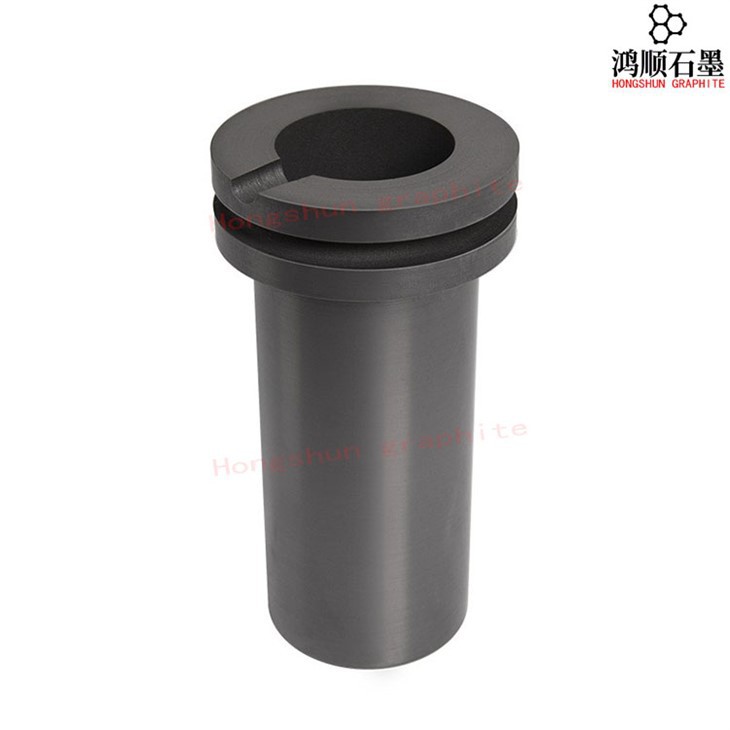
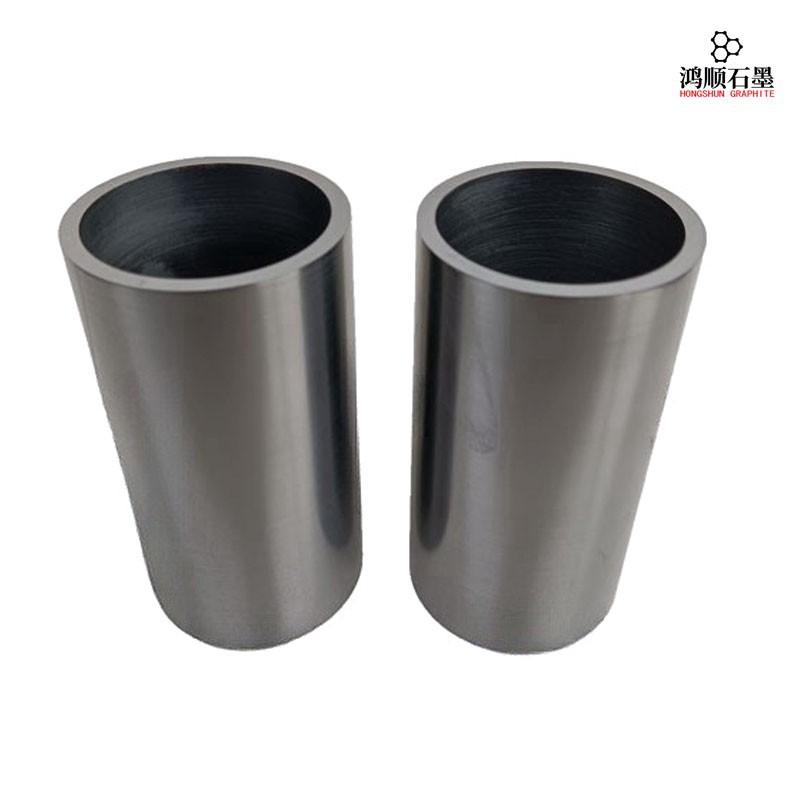
For example, our Double Ring Graphite Crucible is made from carefully selected high - quality graphite. The double - ring design combined with the excellent properties of the graphite ensures efficient heat transfer, long - term durability, and high - quality performance in various melting applications. Our High purity graphite straight crucible is also crafted from high - purity graphite, making it suitable for melting precious metals with strict quality requirements.
7. Conclusion and Call to Action
In conclusion, the origin of graphite has a significant impact on the quality of a graphite crucible. The geological source determines the purity, crystal structure, thermal conductivity, chemical resistance, mechanical strength, and thermal shock resistance of the graphite, all of which are crucial factors in crucible performance.
As a professional graphite crucible supplier, we are committed to providing high - quality products by carefully selecting the graphite source and using advanced manufacturing processes. If you are in need of high - quality graphite crucibles for your melting and casting operations, we invite you to contact us for more information and to discuss your specific requirements. We can offer customized solutions to meet your needs and ensure the success of your production processes.
References
- Klein, C., & Hurlbut, C. S. (1985). Manual of Mineralogy (20th ed.). Wiley.
- Reed, J. S. (1995). Principles of Ceramic Processing (2nd ed.). Wiley.
- ASM Handbook Committee. (2004). ASM Handbook, Volume 15: Casting. ASM International.