

Hey there! I'm a supplier of graphite sealing rings, and I've been in this industry for quite a while. One question that often pops up is how pressure affects the performance of a graphite sealing ring. Well, let's dig into it!
First off, let's understand what graphite sealing rings are. They're super useful in a bunch of industries, like chemical processing, power generation, and even in some high - tech machinery. Graphite is known for its great properties, such as high temperature resistance, chemical inertness, and good lubricity.
Now, when it comes to pressure, it can have a huge impact on how well these sealing rings work. Let's start with low - pressure situations.
Low - Pressure Impact
In low - pressure environments, graphite sealing rings generally perform pretty well. The low pressure doesn't put too much stress on the ring, so it can maintain its shape and sealing function easily. The natural lubricity of graphite helps in reducing friction between the ring and the mating surfaces. This means less wear and tear, which is great for the long - term performance of the ring.
For example, in some small - scale chemical storage tanks where the internal pressure is relatively low, a graphite sealing ring can do an excellent job of preventing leaks. It forms a tight seal around the opening, keeping the chemicals inside safely. And because of the low pressure, there's no need to worry about the ring getting deformed or losing its sealing ability quickly.
However, even in low - pressure scenarios, there are still some things to watch out for. Over time, small vibrations or movements in the equipment can cause the ring to shift slightly. This might lead to small gaps forming, which could result in minor leaks. But overall, in low - pressure conditions, graphite sealing rings are a reliable choice.
High - Pressure Impact
On the flip side, high - pressure situations are a whole different ballgame. When the pressure increases, the graphite sealing ring faces a lot more challenges.

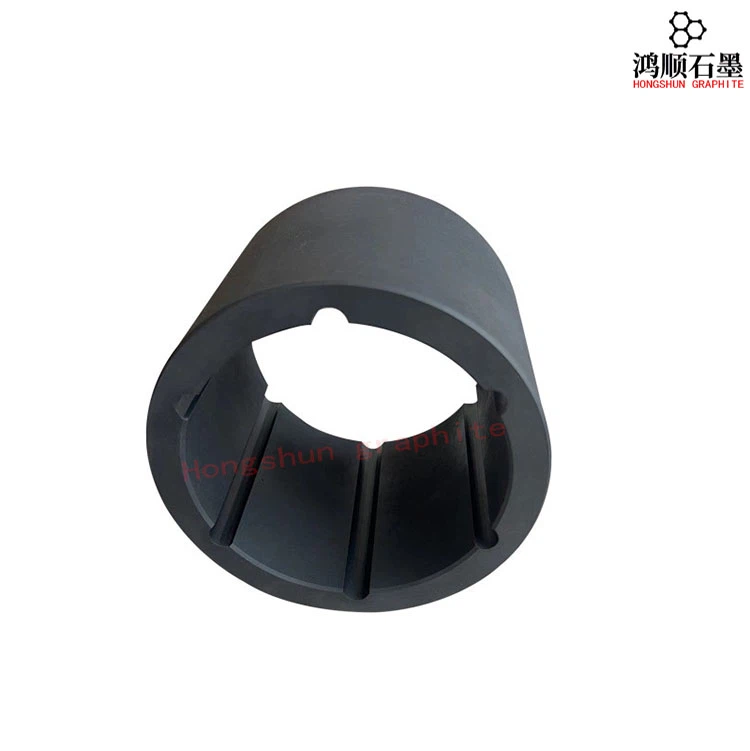
One of the main issues is deformation. High pressure can cause the graphite ring to compress and change shape. If the pressure is too high, the ring might not be able to return to its original shape once the pressure is released. This deformation can lead to a loss of the sealing function. For instance, in a high - pressure steam pipeline, the intense pressure can squeeze the graphite ring so much that it can't maintain a proper seal around the joints. This can result in steam leaks, which not only waste energy but can also be dangerous.
Another problem is the risk of cracking. Graphite, although strong in many ways, can be brittle under extreme pressure. When the pressure exceeds the ring's tolerance level, it might crack. Once a crack forms, it becomes a weak point in the seal, and leaks are almost inevitable.
However, not all hope is lost in high - pressure applications. There are ways to make graphite sealing rings more suitable for these conditions. One option is to use Isostatic Graphite Ring. Isostatic graphite has a more uniform structure, which makes it better able to withstand high pressures. It can resist deformation and cracking more effectively than regular graphite rings.
Special Applications and Pressure
In some special applications, like in furnaces, pressure plays a unique role. Furnace Graphite Ring are used to seal the openings in furnaces. Here, not only do they have to deal with high temperatures but also the pressure changes inside the furnace.
During the heating and cooling cycles in a furnace, the pressure can fluctuate. When the furnace is heated up, the air inside expands, increasing the pressure. And when it cools down, the pressure drops. These pressure changes can put a lot of stress on the graphite sealing ring.
A High Temperature Resistant Graphite Ring is often the best choice for furnace applications. It can handle both the high temperatures and the pressure variations. The high - temperature resistance ensures that the ring doesn't break down due to the heat, and its ability to withstand pressure changes helps in maintaining a good seal throughout the furnace's operation.
How to Optimize Performance Under Pressure
As a supplier, I always want to make sure my customers get the best performance from their graphite sealing rings. Here are some tips on how to optimize the performance of these rings under different pressure conditions.
First, proper installation is crucial. Make sure the ring is installed correctly, with the right amount of compression. Over - compressing the ring can cause premature wear, especially in high - pressure situations. And under - compressing it won't create a proper seal.
Second, choose the right type of graphite ring for the specific application. If you're dealing with high - pressure and high - temperature conditions, go for a high - quality, specially designed ring like the ones I mentioned earlier.
Regular maintenance is also important. Check the rings periodically for signs of wear, deformation, or cracking. Replace them if necessary to avoid any potential leaks or equipment failures.
Conclusion
So, as you can see, pressure has a significant impact on the performance of graphite sealing rings. Whether it's low - pressure or high - pressure, each situation presents its own set of challenges. But with the right knowledge and the right choice of rings, you can ensure that your equipment operates smoothly and safely.
If you're in the market for graphite sealing rings or have any questions about how they perform under different pressures, don't hesitate to reach out. We're here to help you find the perfect solution for your needs. Let's have a chat and see how we can work together to solve your sealing problems.
References
- "Graphite Materials and Their Applications" - A comprehensive book on graphite properties and uses.
- Industry research papers on the performance of sealing materials under different pressure conditions.