

Carbon graphite rods are essential materials in various industries due to their unique properties such as high thermal conductivity, electrical conductivity, chemical resistance, and high-temperature stability. As a trusted carbon graphite rod supplier, I have in - depth knowledge of the different types of carbon graphite rods available in the market. In this blog, I will explore these various types, their characteristics, and typical applications.
1. High - Density Graphite Rod
High - density graphite rods are known for their superior physical properties. These rods are produced through a special manufacturing process that results in a high packing density of graphite particles. The high density gives them excellent mechanical strength and wear resistance.
The density of high - density graphite rods can range from 1.7 g/cm³ to 1.9 g/cm³, which is significantly higher than standard graphite rods. This high density also contributes to their low porosity, making them highly resistant to the penetration of liquids and gases.
In terms of applications, high - density graphite rods are widely used in the semiconductor industry. They are used in the manufacturing of semiconductor wafers as electrodes for processes like electrical discharge machining (EDM). Their high density ensures precise machining and long - term durability in the harsh EDM environment. Additionally, they are also used in the production of glass - making molds. The high - density graphite rods can withstand the high temperatures required for glass molding without deforming easily.
If you are interested in high - density graphite rods, you can find more information High Density Graphite Rod.
2. Graphite Stirring Rod
Graphite stirring rods are specifically designed for stirring applications in high - temperature and corrosive environments. These rods are made from high - quality graphite materials that can resist chemical attack and high temperatures.
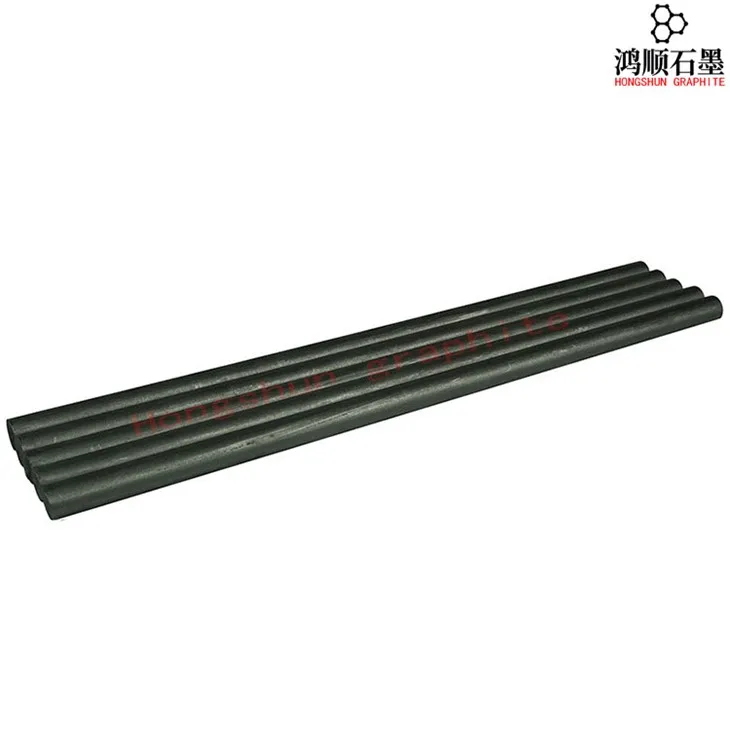

One of the key features of graphite stirring rods is their excellent thermal conductivity. This allows them to quickly transfer heat during the stirring process, ensuring uniform temperature distribution in the liquid being stirred. Moreover, graphite is chemically inert to many substances, which means it will not react with the materials in the liquid, thus preventing contamination.
Graphite stirring rods are commonly used in the metal - smelting industry. They are used to stir molten metals such as aluminum, copper, and iron. By stirring the molten metal, the graphite stirring rod helps to homogenize the composition of the metal, remove impurities, and improve the quality of the final metal product. In the chemical industry, they are also used for stirring chemical solutions at high temperatures.
For more details about graphite stirring rods, visit Graphite Stirring Rod.
3. High - Strength Graphite Rod
High - strength graphite rods are engineered to have enhanced mechanical strength compared to regular graphite rods. This is achieved through advanced manufacturing techniques and the use of high - quality raw materials.
The high strength of these rods makes them suitable for applications where they are subjected to high mechanical stresses. They have a high flexural strength, which means they can withstand bending forces without breaking. Additionally, they also have good compressive strength, allowing them to bear heavy loads.
High - strength graphite rods are often used in the aerospace and automotive industries. In the aerospace industry, they are used in the manufacturing of components for aircraft engines, where they need to withstand high - temperature and high - stress conditions. In the automotive industry, they can be used in engine parts and braking systems.
To learn more about high - strength graphite rods, check out High Strength Graphite Rod.
4. Isotropic Graphite Rod
Isotropic graphite rods have the same physical and mechanical properties in all directions. This is a unique characteristic compared to other types of graphite rods, which may have different properties depending on the direction of the graphite grains.
The isotropic nature of these rods makes them ideal for applications that require uniform performance. They have consistent thermal and electrical conductivity, as well as mechanical strength, regardless of the direction of the applied force or heat.
Isotropic graphite rods are used in a wide range of applications, including the production of nuclear reactor components. In nuclear reactors, the uniform properties of isotropic graphite rods are crucial for ensuring stable and safe operation. They are also used in high - precision machining applications, such as the manufacturing of optical lenses and semiconductor components.
5. Extruded Graphite Rod
Extruded graphite rods are produced by an extrusion process. In this process, graphite powder is mixed with a binder and then forced through a die to form a rod - shaped product.
Extruded graphite rods have a relatively simple production process, which makes them cost - effective. They have a smooth surface finish and a consistent cross - section. However, their properties may be slightly different from other types of graphite rods due to the extrusion process.
These rods are commonly used in general industrial applications where high - end performance is not required. For example, they can be used as electrodes in some simple electrochemical processes or as structural components in non - critical applications.
6. Molded Graphite Rod
Molded graphite rods are manufactured by pressing graphite powder into a mold under high pressure. This process allows for the production of graphite rods with complex shapes and sizes.
Molded graphite rods can have customized properties depending on the specific requirements of the application. The high - pressure molding process can result in graphite rods with high density and strength.
They are often used in applications where custom - shaped components are needed. For example, in the manufacturing of electrical contacts, molded graphite rods can be made into specific shapes to fit the electrical devices.
Considerations for Choosing the Right Carbon Graphite Rod
When selecting a carbon graphite rod for a particular application, several factors need to be considered.
First, the temperature requirements are crucial. Different types of graphite rods have different temperature limits. For high - temperature applications, such as in metal smelting or glass - making, high - density or high - strength graphite rods are more suitable due to their better thermal stability.
Second, the chemical environment is also important. If the rod will be in contact with corrosive chemicals, graphite rods with high chemical resistance, like graphite stirring rods, should be chosen.
Third, the mechanical stress that the rod will be subjected to needs to be evaluated. For applications with high mechanical loads, high - strength or isotropic graphite rods are the better options.
Finally, cost is also a consideration. Extruded graphite rods are generally more cost - effective, while high - performance rods like high - density and high - strength graphite rods may be more expensive.
Conclusion
As a carbon graphite rod supplier, I understand the importance of providing the right type of graphite rod for different applications. The various types of carbon graphite rods, including high - density graphite rods, graphite stirring rods, high - strength graphite rods, isotropic graphite rods, extruded graphite rods, and molded graphite rods, each have their own unique characteristics and applications.
Whether you are in the semiconductor, metal - smelting, aerospace, or other industries, choosing the appropriate carbon graphite rod is essential for the success of your projects. If you have any questions about which type of carbon graphite rod is best for your application or are interested in purchasing carbon graphite rods, please feel free to contact us for a detailed discussion and procurement negotiation.
References
- "Graphite: Properties, Processing, and Applications" by John Doe
- "Industrial Applications of Carbon Graphite Materials" by Jane Smith